That shrieking sound that emerges from tired brakes is gut-wrenching to all of us. Nobody likes hearing it, especially on a family road trip or during rush hour. But that noise? It’s a warning sign from your car that says, “Hey, something’s wrong!” The villain? Most likely, those overworked, neglected brake pads.
Now, while some drivers shrug it off, thinking they can ride it out a little longer, the truth is that noise is only the beginning of the story. What follows could be warped rotors, shaky stops, and a whole lot of regret. No one wants their vehicle to become a roadside attraction, especially when it’s all avoidable with a little attention and maintenance.
Table of Contents
Stopping Power Begins with a Simple Choice
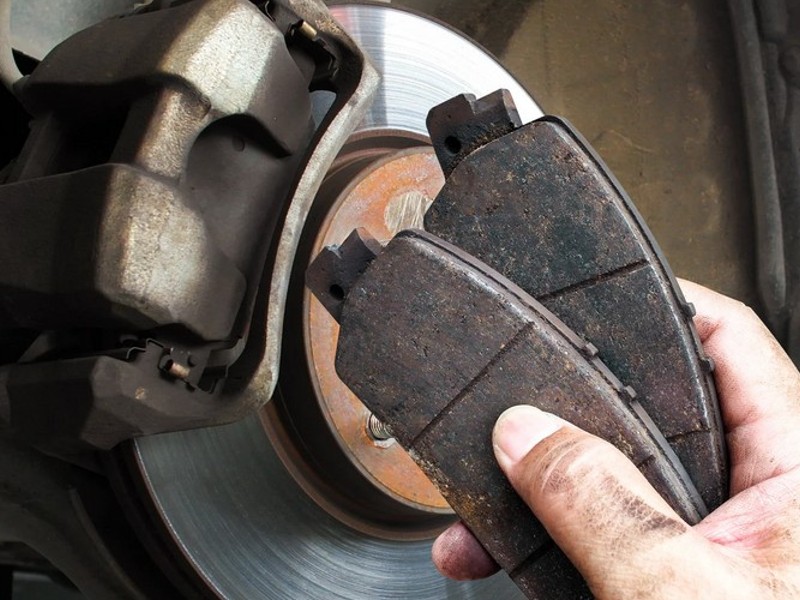
It’s simple to overlook that stopping an automobile involves a lot of moving elements. Feel the deceleration, press the pedal, and continue. But beneath that smooth experience is a small component doing heavy lifting: the humble brake pad. It gets flattened against the rotor every time you brake, withstanding heat, friction, and pressure so you don’t become a trunk liner somewhere. And yet, despite its importance, it’s overlooked—until it fails.
When your brake pads are worn out, you’re a lot more likely to get into an accident. However, car accidents aren’t the only risk of driving when your brake pads are worn out. You also damage the other parts of your brake system.
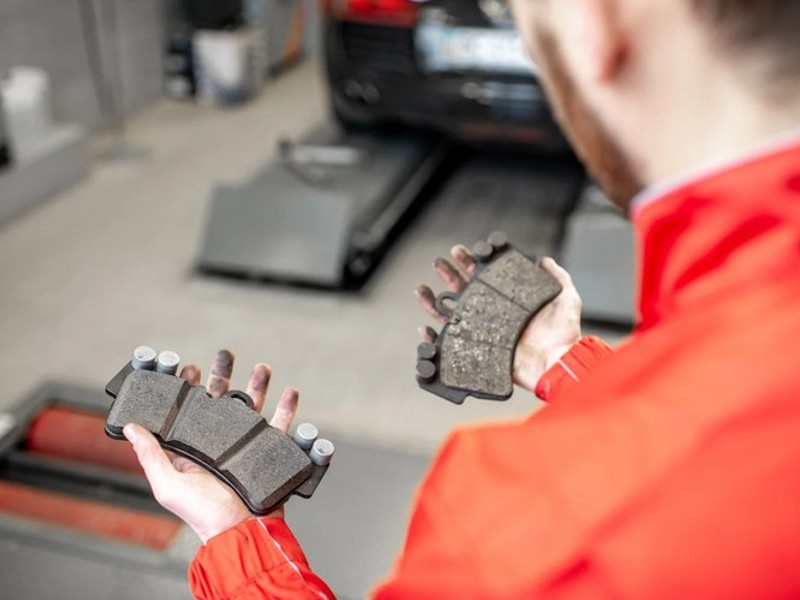
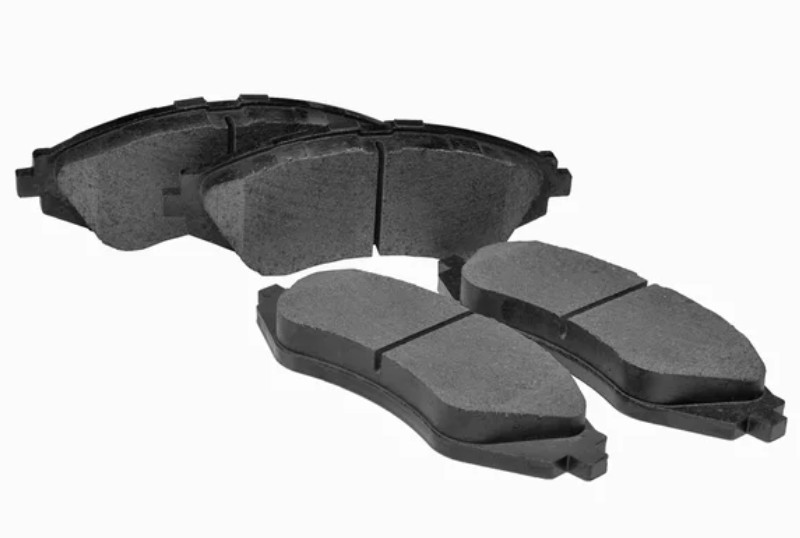
Picking the right type of pad is more than just reaching for whatever’s on special at the parts counter. There are different materials, each with its perks and pitfalls. Some are quieter but wear out quickly. Others do last longer but may not be ideal for performance driving. The magic lies in understanding your driving behavior and selecting something that suits your car’s needs. Daily commuter? Weekend canyon carver? Towing a trailer every other day? There’s a pad for that.
When Brake Pads Speak, Drivers Should Listen
Vehicles have a sneaky way of telling you what they need—if you’re tuned in. That grinding sound? It’s not the music of the open road. That subtle vibration in the pedal? Not just your imagination. And that soft, spongy response when stopping? Definitely not a feature.
These are all clues your car is leaving for you to check in with its brakes. It’s not a matter of avoiding inconvenience—it’s a matter of safety. Imagine driving downhill with a load of passengers and finding out the brakes aren’t up to standard. That’s the kind of moment where one wishes they had listened earlier. Luckily, cars don’t hold grudges. They just want attention, and a timely replacement can mean the difference between a close call and a call to the insurance company.
Even Smooth Drivers Wear Out Their Pads
It doesn’t matter if you drive like a saint, coasting gently to every stop sign. Over time, pads wear down—it’s what they’re made to do. They’re sacrificial by design. Their entire job is to take the brunt of the friction so your more expensive components don’t suffer.
Brake pads generally last between 30,000 and 70,000 miles, but some can last as long as 100,000 miles.
That said, how fast they break down is a mixture of things: traffic, driving style, terrain, and even weather. City drivers? They’ll be stomping on that pedal more often. Mountain dwellers? They’ll be leaning on brakes during long descents. And those who drive stick shifts? Well, they might get a little more mileage out of theirs, thanks to engine braking. But eventually, everyone has to face the facts. Pads have a lifespan—and pretending they don’t only makes things worse.
There’s a Science to That Perfect Stop
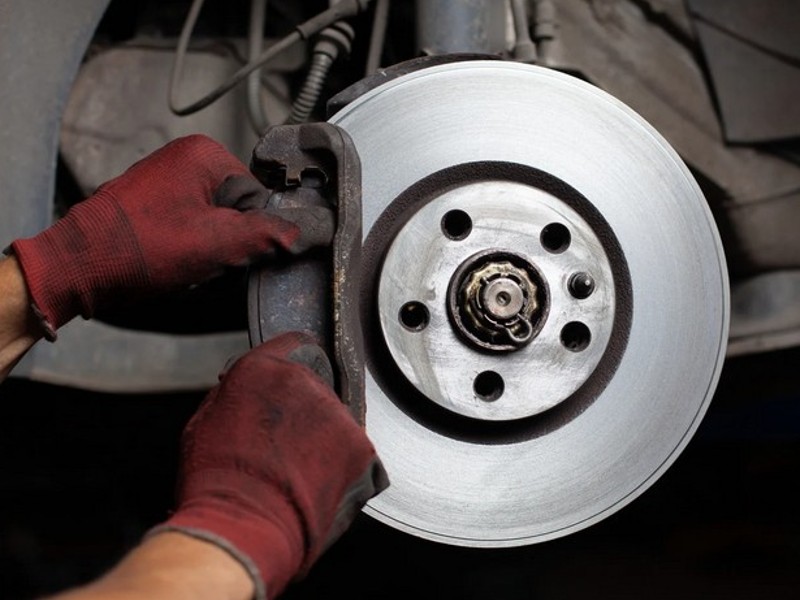
Slowing a two-ton car down from 60 miles per hour is no easy task. The secret is the friction between the rotor and the pad. When you squeeze down on the brake pedal, hydraulic fluid passes that force on to the pads, squeezing them against the spinning metal discs. The heat produced in the millisecond could cook an egg—literally.
That’s why materials matter. Some pads are designed to handle high heat without fading. Others prioritize noise reduction and comfort. Track enthusiasts and performance drivers might go for metallic or ceramic options that deliver bite, consistency, and durability under pressure. Meanwhile, the average driver is generally okay with natural materials. It’s a balance of compromises—performance versus comfort, longevity versus price.
Meanwhile, as the argument continues to rage on garage bulletin boards and in online forums, the reality is straightforward: it’s not about the greatest pad. It’s about the right pad for the right job.
What Happens When Maintenance Gets Ignored
Disregarding worn-out brake pads isn’t only dangerous—it’s costly. When the pad material is exhausted, the metal backing plate begins to wear into the rotor. That screech becomes a howl, and each stop is rougher than the previous one. Not only will this ruin the rotor, but it also makes the caliper do more work, putting the entire system at risk of failure.
You can expect a typical brake pad replacement to cost $150 per axle, which would lead to an average total of $300. However, keep in mind that this is an estimate—you can find costs at $100 and more, but it will vary.
Sooner or later, that minor maintenance delay can build into a complete brake overhaul. New rotors, new calipers, bleeding the lines, labor fees—it all mounts up.And suddenly, those cheap pads saved at the checkout line don’t feel like much of a win anymore. Regular checks, even if it’s just a quick look through the wheel spokes, can save hundreds in repairs—and possibly a fender-bender too.
A Confident Driver Is a Prepared One
There are few things in life that provide instant peace of mind like the assurance your car is capable of stopping when it must. That confidence behind the wheel? It all begins with trust—in the vehicle and the decisions to keep it on the road.
Brake pads are easy to overlook during routine maintenance, especially if there isn’t an obvious problem. However, it makes all the difference to replace them proactively, use high-quality materials, and look for wear indicators. A good pair of pads makes every stop smooth, reliable, and most importantly, safe, whether you’re navigating through the most treacherous rush-hour traffic, avoiding an unexpected barrier, or speeding down a winding mountain route.
If you think it’s time for a change, or you just want to be prepared, get new auto parts for your car model at Silux online.
There is no place for shortcuts in a world where drivers are unpredictable and stop unexpectedly. Despite their lack of glamour, brake pads are the unsung heroes of every journey. Every time you apply the brakes, they will thank you for treating them with the deference they merit.