The car battery has witnessed more of your life than most people you know, and unlike your friends, it has never interrupted to offer unwanted advice about your parking skills.
Think about it for a moment. Every morning you turn the key or press a button and expect the entire vehicle to leap into action like a well trained butler. Lights appear. Screens glow. The engine wakes up with a polite rumble. All of it happens in a few seconds and most drivers never give the process another thought.
The battery, meanwhile, sits under the bonnet quietly doing the electrical equivalent of lifting heavy furniture before breakfast.
Nobody congratulates it. Nobody says, “Splendid work today, battery.” In fact, the only time people remember it exists is when the car refuses to start and suddenly everyone becomes a detective.
Table of Contents
The Most Loyal Employee In Your Vehicle
If a car were run like a company, the battery would be that dependable employee who arrives early, switches on the lights, and keeps the place running while everyone else takes the credit.
Before the engine even considers starting, electricity needs to move through the system. The starter motor requires a powerful surge of energy to turn the engine’s internal parts. That initial burst is not gentle. It is closer to the electrical version of someone kicking open a door.
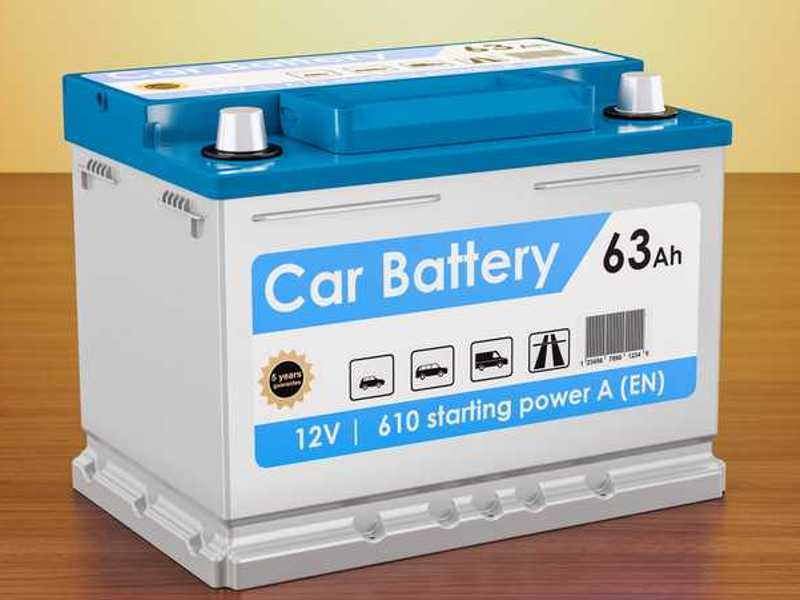
Car battery is primarily responsible for providing the initial jolt of electricity to the starter motor to crank the engine.
That energy comes straight from your car battery, which has been patiently storing power while the car sits parked.
Once the engine finally wakes up, the alternator takes over the main task of generating electricity. At that point you might imagine the battery relaxing for a bit. Not quite. It still supports the electrical system whenever demand increases. Turn on headlights, adjust the seat heaters, plug in a phone charger, and the battery is quietly involved.
It is essentially the silent partner in every journey.
Confessions From Under The Bonnet
If batteries could gossip, the stories would be excellent.
They would know which drivers start their cars like they are launching a rocket. They would know who leaves the interior light glowing overnight and then looks genuinely surprised in the morning when nothing works.
Modern cars are particularly entertaining from the battery’s perspective. Vehicles used to have a few basic electrical components. Today they resemble mobile technology centres. Massive touchscreens, reversing cameras, wireless charging pads, and digital dashboards all expect electricity.
Individually they behave politely. Collectively they behave like guests who keep returning to the buffet table.
Then winter arrives.
Cold weather is not especially friendly to batteries. The chemical reactions inside slow down in low temperatures, which means the battery delivers power less easily. At exactly the same moment, the engine becomes harder to turn because the oil thickens in the cold.
So the battery is asked to work harder while feeling slightly sluggish. It is the mechanical version of being asked to run for a bus before you have had tea.
Signs Your Battery Is Getting Tired
Batteries rarely fail without a few warning hints. They simply begin behaving a little… reluctant.
The engine may start more slowly than usual. Instead of a confident burst of life, you hear a slightly drawn out cranking sound that suggests the car is reconsidering its plans for the day.
Headlights might look dimmer when the engine is not running. Some electronic systems may behave strangely, as though they woke up on the wrong side of the dashboard.
At this stage the car battery is not being dramatic. It is simply losing the ability to store and deliver energy as effectively as it once did.
Most car batteries have a reliable lifespan of 3 to 5 years. Get a new one in a car parts online shop.
Most batteries last between three and five years, although driving habits play a surprisingly large role. Vehicles used mainly for short trips often struggle because the battery never receives enough time to recharge fully.
Starting the engine consumes a decent amount of energy. If the journey lasts ten minutes, the alternator begins replacing that energy but may not quite finish the job before the car is switched off again.
Repeat that process for months and the battery slowly falls behind, like someone who keeps paying off a loan with very small coins.
The Unexpected Theatre Of Jump Starting
A flat battery has an interesting way of turning strangers into a temporary engineering team.
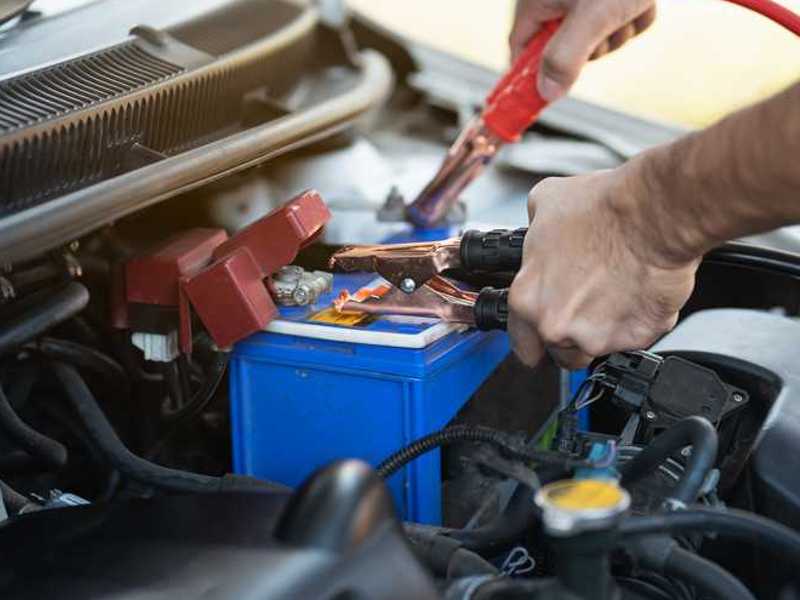
Picture a typical car park scene. One driver opens the bonnet and looks thoughtful. Another appears with a set of jumper cables that have been living in the boot since approximately 2016.
There is always a brief discussion about which cable goes where. Someone confidently explains the process while another person quietly searches the internet just to be safe.
Every electric car actually utilizes two separate car battery systems to function safely and efficiently.
Eventually the cables connect. The working vehicle provides electricity to the exhausted one. For a moment nothing happens. Then the silent engine coughs, shakes itself awake, and finally starts.
Everyone involved experiences a small burst of pride, as though they have just restarted civilisation rather than a hatchback.
Of course, if jump starts become a regular activity, the battery is probably trying to send a fairly clear message.
Small Things That Make A Big Difference
Fortunately, keeping a battery healthy is not especially complicated.
Driving for longer distances now and then allows the alternator to recharge the battery properly. Cars that only travel short urban routes tend to place more stress on the electrical system.
It also helps to avoid leaving lights or accessories switched on after the engine stops. Many drivers discover the consequences of this mistake early one morning when the car responds to the ignition with complete silence.
Common Car Battery MISTAKES You Want To Avoid!
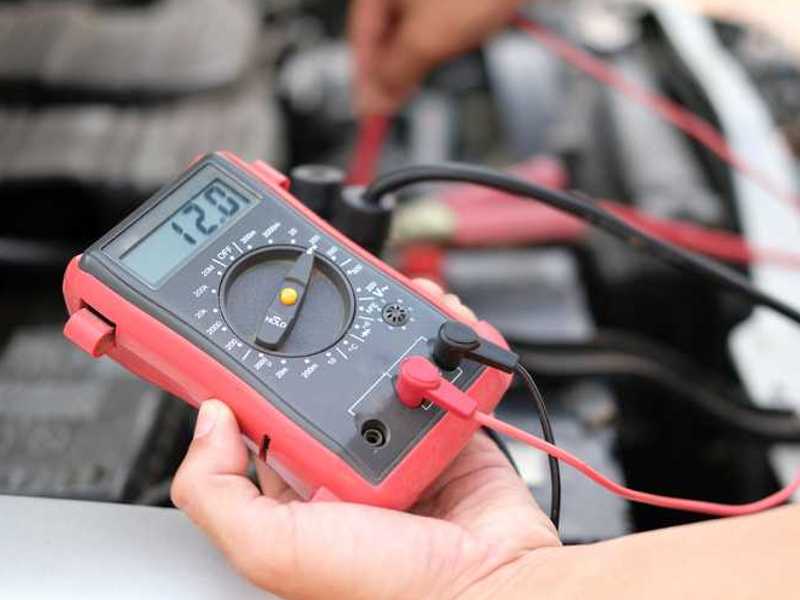
Occasionally lifting the bonnet and checking the terminals can also help. Corrosion sometimes forms around the connections, creating a powdery residue that interferes with the electrical flow.
None of these tasks require mechanical genius. They simply prevent the situation where a weary car battery decides it would quite like a quiet retirement.
The Small Box That Starts Every Journey
Modern vehicles are packed with clever technology. They can guide you through unfamiliar cities, warn about obstacles, and connect seamlessly with your phone.
Still, none of those impressive features even wake up without a reliable power source.
The battery might not look exciting. It is basically a sturdy box filled with plates and chemical reactions. Yet every single journey begins with its cooperation.
So the next time the engine fires up instantly on a chilly morning, remember the hardworking little device under the bonnet that made it possible, because at the end of the day your entire drive still begins with a dependable car battery.